Home Virtual Tours History About Us Contact Us

History of Karangahake Gorge

Explore the rich history of the gorge through time.

Pre-1800s — Māori Settlement

Long before European arrival, the Karangahake Gorge was an important place for local Māori iwi. The gorge served as a natural corridor between the Coromandel Peninsula and the Waikato, used for travel, trade, and access to food resources. The Ohinemuri River running through the gorge provided eels, fish, and fresh water, while the surrounding bush offered timber and medicinal plants. The name Karangahake is believed to derive from the Māori language, reflecting the significance of the place to its original inhabitants.
1875 — Gold Discovery

The discovery of gold in the Karangahake area in 1875 triggered one of New Zealand's most significant gold rushes. Prospectors flooded into the region, drawn by rich quartz reefs running through the volcanic rock of the gorge. Small camps quickly grew into settlements, and the landscape was transformed almost overnight as miners staked claims along the riverbanks and hillsides. The original foot tracks cut through the gorge during this period still form the basis of many walking routes today.

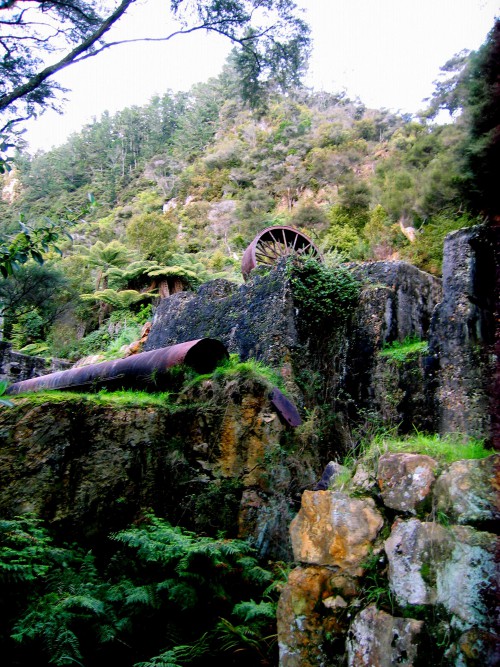
Overgrown mining ruins with rusty machinery in Karangahake Gorge Historic Walkway Tour

1880s–1890s — Industrial Mining Era

By the 1880s, individual prospectors gave way to large companies with the capital to undertake industrial-scale extraction. The Crown Mines and Talisman Mine became major operations, employing hundreds of workers. Stamper batteries — large mechanical structures used to crush gold-bearing ore — were erected along the river, their thundering noise echoing through the gorge day and night. Miners also drove tunnels deep into the cliff faces, cutting narrow "windows" through the rock to provide access and ventilation. At its peak, Karangahake was one of the richest goldfields in the Southern Hemisphere.

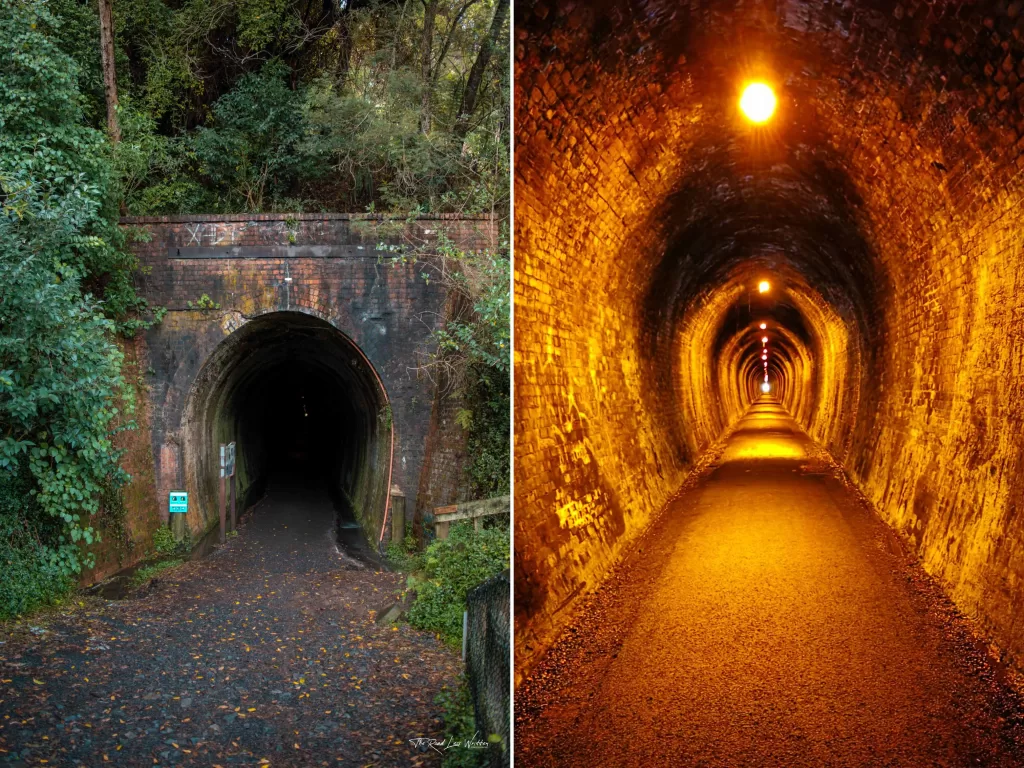
Railway tunnel entrance overgrown with bush (left) and illuminated interior of the gorge tunnel (right), Karangahake Gorge Windows Walk Tour Battery Walk Tour

1897 — Scotsman's Gully Operations

Tucked into the steeper, more remote hillsides above the main gorge floor, Scotsman's Gully became the site of smaller but determined mining operations during the late 1890s. Scottish prospectors were among those who worked this rugged terrain, giving the gully its name. The bush-clad slopes made access difficult, and the miners who worked here left behind a network of cuttings, tracks, and scattered relics that can still be found today. The gully offers a quieter, more intimate window into the hardship and determination of the men who worked the margins of the goldfield.

Scotsman's Gully Tour

1905 — The Railway Arrives

The opening of the Paeroa–Waihi branch of the railway in 1905 was a turning point for the gorge. The line ran directly through Karangahake, requiring engineers to blast tunnels through solid rock and construct bridges over the Ohinemuri River. The railway dramatically reduced transport costs, making it far more economical to ship ore, equipment, and supplies in and out of the gorge. Worker cottages and railway infrastructure sprang up alongside the tracks, and the local population swelled. The original rail corridor is now the route of the Historic Walkway, allowing visitors to walk the same path the trains once travelled.

Historic Walkway Tour

1950s — Decline of Mining

As gold yields declined through the mid-twentieth century, the large mining companies wound down their operations. By the 1950s, the last of the major mines had closed. Workers left the gorge, settlements shrank, and the bush began to reclaim the land. The stamper batteries fell silent, the tunnels were sealed or left open, and the railway eventually closed. What remained was an extraordinary landscape of industrial ruins embedded in regenerating native forest — a time capsule of the gold rush era.

Battery Walk Tour

Today — Heritage and Conservation

Karangahake Gorge is now managed as a scenic reserve and recognised as one of New Zealand's most significant gold-mining heritage sites. The Department of Conservation maintains an extensive network of walking tracks, many of which follow the original miner and railway routes. The gorge attracts visitors from around the world who come to explore its dramatic scenery, historic tunnels, suspension bridges, and the surviving remains of the stamper batteries and mine workings. KG Virtual Tours brings this experience to anyone, anywhere in the world.

Explore All Tours
Experience the History for Yourself

Walk the same paths as the miners and settlers who shaped this land.


Start a Virtual Tour